

Every marketer has heard the classic boss move: “Make it go viral.” Easy to say. Way harder to do. Virality is basically the unicorn of marketing — everyone wants it, few people actually catch it. And in a world where ads are getting pricier and people are scrolling like they have somewhere better to be, organic spread is a big deal.
The numbers back it up. Viral posts can get way better click-through rates than regular social ads, and brands that nail viral campaigns often spend less to get customers. On top of that, people trust friends way more than ads. That means viral content is not just “nice to have” — it can seriously change the game.
This guide breaks down how viral marketing works, why people share stuff, and the simple strategies behind content that takes off — whether you are running a huge brand or just trying to get your first big win.
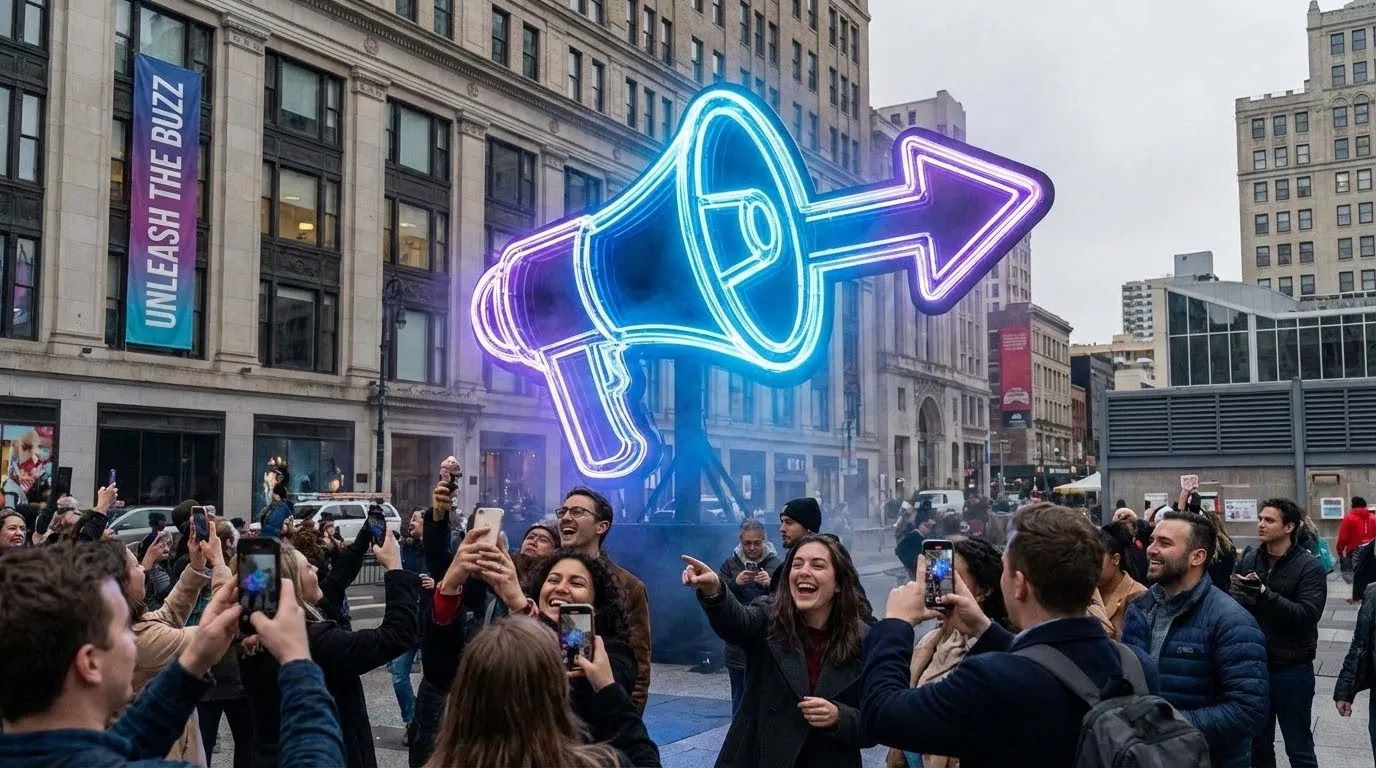
What Is Viral Marketing? A Modern Definition
Viral marketing is when people spread your message for you, like a chain reaction. Instead of shouting at an audience, you give them something worth passing along.
Think of it like a snowball rolling downhill. If the content is good enough, it keeps picking up speed. When one person shares with two, and those two share again, that is when things really start moving.
Viral marketing has a few big advantages over traditional ads:
- It reaches the right people through friends and communities
- It spreads faster across platforms
- It feels more trustworthy because it comes from people, not just brands
- It can cost a lot less than paid advertising
The Psychology Behind Viral Content
Virality is not just dumb luck. It is actually psychology doing its thing. Once you understand why people share, you can start creating stuff they feel itchy not sharing.
1. Emotion is the Engine
If your content makes people feel something, you are already ahead. Happy, shocked, inspired, even a little angry — emotions make people hit “share.”
Think about it like this: when you see something hilarious or super relatable, you don’t just scroll… you send it to your friend with “THIS IS SO YOU.” That’s emotion doing the work for you.
Big campaigns blow up not because they look fancy, but because they hit people right in the feelings.
2. Social Currency and Identity
People share things that make them look cool, smart, or “in the know.” It is basically online reputation points.
Like when people post their music stats or favorite memes — they are saying, “This is me.” If your content helps someone express who they are, they will share it for you.
3. Novelty and Surprise
Nobody shares boring stuff. If people can predict what happens next, they are already gone.
But give them a twist? A plot flip? Something weird or unexpected? Boom — now their brain wakes up.
It is like a joke with a punchline. If it surprises you, you have to pass it on.
4. Nostalgia
Nostalgia is basically emotional cheat code. Remind people of their childhood, old trends, or “the good old days,” and they instantly connect.
It is like hearing an old song you forgot about — suddenly you are like, “Wait… this was my era.” And yep… you share it.
That feeling? That is exactly what great viral content taps into.
7 Proven Viral Marketing Strategies for 2026
Alright — this is where things get real. These are not “maybe it works” tips. These are what brands actually did to blow up. Think of it like cheat codes… but for attention.
Strategy 1: Build Platform-Native Content
Don’t make content and then throw it on TikTok. That’s like wearing school shoes to a basketball game. Wrong vibe.
Winning brands start with the platform. Vertical videos, trending sounds, fast hooks. If you don’t grab attention in the first 3 seconds, people are already gone — probably watching a cat doing backflips.
Strategy 2: Engineer User-Generated Content (UGC)
If you’re the only one posting… you lose.
The goal? Get other people to post for you. That’s how things explode. Think challenges, duets, remixes. When users join in, your content multiplies like crazy — and it feels way more real than ads.
Strategy 3: Leverage Influencer Seeding (Not Just Ads)
Big mistake: paying influencers to post obvious ads. People scroll past those.
Smart brands quietly get the right people excited first. When someone influential reacts naturally, it spreads way faster. It’s like when the popular kid laughs at a joke — suddenly everyone else does too.
Strategy 4: Tap Into Cultural Moments in Real Time
Timing is everything. Miss the moment, and you’re late to the party.
If something is trending right now, jump in fast. The internet rewards speed. The brands that win are the ones that move before everyone else even finishes thinking.
Strategy 5: Design for Shareability Through Participation
People don’t just want to watch — they want to join.
Challenges, quizzes, “tag a friend” moments… these make content interactive. It’s the difference between watching a game and actually playing it. And guess what? Players share way more than spectators.
Strategy 6: Make the Product the Shareable Object
The best marketing doesn’t feel like marketing.
If your product looks cool, weird, funny, or personal enough, people will post it naturally. Like when someone buys something and instantly goes, “Wait, I need to put this on my story.”
Strategy 7: Build a Consistent Brand Voice That Earns Virality Over Time
Virality isn’t just one lucky post. It’s a personality.
Brands that win long-term act like real people — funny, weird, relatable, consistent. So when they do something big, it feels right.
And here’s the funny part: a lot of viral moments start by accident. But if your brand already has a strong voice, you’re ready to turn that “accident” into a massive win.
The Role of AI in Viral Marketing
AI is basically your superpower now. Not the scary robot kind — more like a super-fast assistant that helps you spot trends before everyone else.
It can tell you what people are talking about right now, what’s about to blow up, and even help create visuals that grab attention.
You can even generate a custom AI influencer. So instead of guessing and hoping something works, you’re moving faster and smarter.
The key thing? AI doesn’t replace creativity. It just gives you a head start. In viral marketing, speed matters — and AI helps you go from idea to post before the moment is gone.
Reaching Generation Z: The Viral-First Consumer
Gen Z is basically the final boss of the internet. They grew up online, they scroll fast, and they can smell fake content from a mile away.
If something feels like an ad? Skip. Gone. Forgotten.
But if it feels real, fun, or meaningful? They’ll share it like crazy.
They don’t want perfect — they want authentic. They don’t want to just watch — they want to join in. And they care about why a brand exists, not just what it sells.
So if you want to go viral with Gen Z, think less “sell this product” and more “make something people actually care about and want to be part of.”
Brand Safety: The Risks of Going Viral for the Wrong Reasons
One often overlooked risk in viral campaigns is not just reputational damage, but also financial abuse of marketing systems. As traffic spikes, brands can become more vulnerable to click fraud, fake conversions, and manipulated referral activity.
This is where affiliate fraud detection becomes important. It helps marketers identify suspicious traffic patterns, prevent payout abuse, and ensure that affiliate-based growth remains legitimate and performance-driven.
Without proper safeguards, viral success can unintentionally turn into inflated metrics and wasted ad spend.
Here’s the truth nobody tells you: going viral can hurt you just as fast as it helps you.
Drama spreads faster than anything. Controversial content? Yeah, it blows up… but it can also blow up in your face. One wrong message, and suddenly people aren’t talking about your product — they’re calling you out.
It’s like posting something edgy thinking it’s funny… then waking up to everyone being mad. Not the kind of fame you want.
Big brands mess this up too. Sometimes a campaign gets attention, but for the wrong reason, and now they’re stuck doing damage control instead of celebrating.
So how do you avoid that?
- Test your ideas with different people before posting
- Make sure your message actually matches what your brand stands for
- Be ready to respond fast if things go sideways
- Be honest and transparent, especially with influencers
Conclusion: Virality Is a Strategy, Not an Accident
Here’s the big takeaway: viral moments aren’t just luck. They’re built.
The brands that win don’t just “hope” something pops off. They prepare for it. They understand the platforms, move fast, stay consistent, and create stuff people want to share.
It’s not about tricking the algorithm or being shocking for attention. That might work once… but it won’t last.
Real virality comes from connection. From making people feel something, laugh, join in, or say, “Yo, you need to see this.”
So if you remember anything, remember this: Don’t chase viral. Build things worth sharing — and viral will chase you.