

The home improvement world is a gold mine in affiliate marketing—people spend huge amounts fixing up their homes every year. And right in the middle of it all is The Home Depot, the giant everyone trusts for tools, paint, and every “I-can-totally-fix-this” project. Their affiliate program basically lets creators like you earn money just by helping people find what they already want to buy. If you’re into DIY, blogging, or just want to make your first stream of passive income, this program could be your shortcut—like discovering the secret level in a game you thought you’d already mastered.
What Is The Home Depot Affiliate Program?
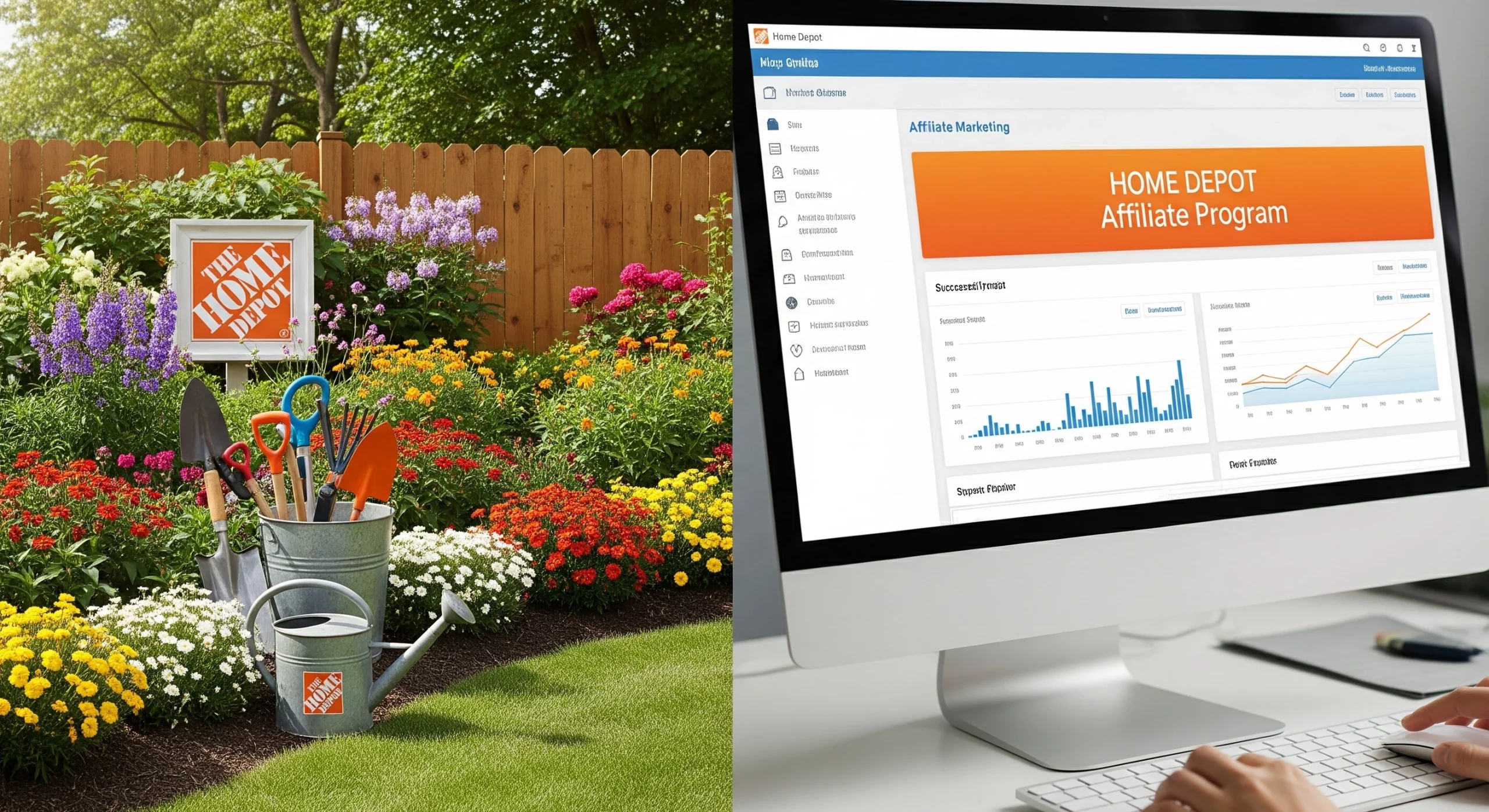
The Home Depot affiliate program is basically a way for creators to earn money by recommending stuff people already want—tools, décor, gadgets, you name it. You get special links, drop them into your content, and when someone buys through your link, cha-ching, you earn a commission.
It runs through trusted affiliate networks and gives you access to millions of products, which is perfect whether you’re reviewing power tools like a pro contractor or showing off cute room makeovers like a lifestyle guru.
What makes it awesome? Home Depot sells the kind of big, practical things people actually think about before buying—like appliances or building materials. And because those items cost more, your commissions can feel a lot like finding extra cash in your jeans… except way bigger.
- Read Also: Gucci Affiliate Program: Earning Luxury Commissions
- Read Also: Sephora Affiliate Program: Earn Commissions Promoting Beauty Products
Commission Structure and Earning Potential
The commission rates for Home Depot affiliates usually hover around 1% to 8%, depending on what people buy and what promos are running. It might sound small, but trust me—this is where things get sneaky-good.
Most programs use “cookies,” which basically track if someone clicked your link. If they buy anything within a day or two—even if it’s not the item you recommended—you still get paid.
Imagine this: someone clicks your link to check out a cordless drill. Then they get distracted (as we all do) and end up buying paint, lumber, and half the gardening aisle. Boom—you earn commissions on all of it. It’s like convincing a friend to buy one snack, and they walk out of the store with a full shopping bag while you pocket the reward.
To maximize earnings, successful affiliates focus on:
- High-ticket items: Appliances, power tools, and building materials that generate larger commission amounts
- Seasonal promotions: Spring gardening, summer outdoor projects, and holiday decorating seasons
- How-to content: Tutorials that naturally incorporate multiple product recommendations
- Product comparisons: Reviews that help customers make informed decisions
- Project inspiration: Room makeovers and renovation ideas that require numerous purchases
How to Join The Home Depot Affiliate Program
Joining The Home Depot affiliate program isn’t rocket science—it’s more like joining an exclusive club for people who love cool tools and clever home upgrades. Here’s how to get in:
Step 1: Build Your Platform
You need a place where people actually listen to you—maybe a blog, YouTube channel, or even a TikTok full of “OMG look at this room glow-up!” videos. The program isn’t impressed by ghost-town websites, so make sure you have real content and real humans watching.
Step 2: Apply Through the Affiliate Network
Head over to the affiliate network that Home Depot uses and fill out the form. They’ll ask who you are, what your content is about, and how many eyeballs are on your posts. Just be honest—no one expects you to have a million followers… yet.
Step 3: Await Approval
This is the part where you try not to refresh your email every 10 minutes. It could take a few days or even weeks. Basically, Home Depot wants to make sure you won’t do anything weird like tell people to use a chainsaw for cutting bread.
Step 4: Access Your Dashboard
Once they say yes (and trust me, that “yes” feels amazing), you’ll get a fancy dashboard where all your earning magic happens—links, stats, promo tools, the whole shebang.
Step 5: Implement Links and Start Promoting
Now drop those links like you’re sprinkling seasoning on a perfect plate of nachos. Add them to your best content and create new posts that make people say, “Wait… I need that toolbox in my life.” And just like that—you’re earning commissions while people shop for their dream projects.
Best Practices for Promoting Home Depot Products
If you think affiliate marketing is just throwing links everywhere and hoping someone clicks—nope. It’s way smarter (and more fun) than that. Here’s how to win big while actually helping people:
Create Problem-Solving Content
People search the internet because something in their house is driving them nuts. So be the hero! Make content like:
- “How to Fix a Leaky Faucet Without Flooding Your Kitchen”
- “Bathroom Glow-Up on a Tiny Budget”
- “Top 10 Tools Every First Apartment Totally Needs”
- “How Not to Freeze This Winter: A Simple Home Checklist”
Your links become solutions, not annoying ads. Boom. Hero status unlocked.
Leverage Video Content
Show, don’t tell! DIY videos on YouTube or TikTok crush it because people love seeing how projects actually work. You can demo a drill, build a shelf, or just flex your new LED lights. Just don’t forget to drop those affiliate links in the description and say why they’re there (because rules, ugh).
Build Comprehensive Resource Guides
Go big with “ultimate” guides that people bookmark forever:
- “The Only Deck-Building Guide You’ll Ever Need”
- “Kitchen Reno 101: What They Don’t Tell You on HGTV”
- “Power Tools for Beginners Who Don’t Want to Lose a Finger”
These babies keep earning you money while you’re off doing literally anything else.
Optimize for Search Intent
People Google stuff like “best cordless drill” right before they buy. That’s your moment! Make content that matches what they’re searching so you catch them while they’re already pulling out their wallet.
Seasonal Content Strategy
Home improvement has seasons just like school or sports:
- Spring = Gardens, lawn tools, backyard dreams
- Summer = Grills, patio lights, outdoor fun
- Fall = Leaf blowers, weatherproofing, pumpkin chaos
- Winter = Snow shovels, holiday lights, indoor projects
Ride those trends like a marketing skateboarder.
Product Comparison Articles
Humans love to choose sides—Marvel vs DC, cats vs dogs, Ryobi vs DeWalt. Write stuff like:
- “Which Tool Brand Is Supreme?”
- “Top Paint Brands That Won’t Make Your Wall Look Sad”
Legal Requirements and Disclosure
Okay, this part might not be as exciting as power tools and DIY glow-ups, but it’s super important. If you’re doing affiliate marketing, you can’t skip the legal stuff—think of it like wearing safety goggles before using a chainsaw. The FTC (basically the adults who make the rules) says you must tell people when you’re using affiliate links.
Your disclosure needs to be:
- Conspicuous: Put it somewhere people will actually see it—no hiding it like a secret treasure map.
- Clear: Say something simple like, “Hey, this post has affiliate links, which means I earn a small commission if you buy through them—at no extra cost to you.”
- Comprehensive: Use it everywhere—blog posts, videos, social media, emails… yes, even that TikTok you filmed at 1 a.m.
Most smart affiliates drop the disclosure at the top of an article or right in a video description. Being transparent doesn’t just keep you out of trouble—it builds trust. And trust is basically the Wi-Fi signal of affiliate marketing: without it, nothing works.
Tools and Resources for Affiliate Success
If you want to level up your affiliate game, you’ll need the right tools—think of them like your digital toolbox. Here’s what every future affiliate pro should have:
Keyword Research Tools
Google Keyword Planner, Ahrefs, SEMrush—these help you find the exact things people are searching for. It’s basically mind-reading, but for marketing. You’ll know what topics will blow up before you even write them.
Link Management Plugins
Using WordPress? Grab Pretty Links or ThirstyAffiliates. They keep your links organized and looking clean instead of… well, like messy spaghetti URLs no one wants to click.
Analytics Platforms
Google Analytics + your affiliate dashboard = your mission control center. This combo tells you what content is getting clicks, what’s converting, and what needs a total makeover.
Content Calendar Tools
Trello, Asana, Google Sheets—anything that keeps you from planning content at 2 a.m. the night before. These tools help you schedule seasonal posts so you’re always ahead of the trends.
Email Marketing Platforms
An email list is like having your own hype squad. Platforms like MailerLite or Mailchimp let you send product recommendations straight to people who already love your content—meaning way better chances they’ll actually buy.
Common Challenges and Solutions
Affiliate marketing isn’t all sunshine and power tools—there are a few roadblocks. But don’t panic; every challenge has a fix:
Challenge: High Competition
Yeah, tons of people want in on the home improvement niche.
Solution: Go niche-within-a-niche. Instead of trying to cover everything, specialize in something like “tiny apartment makeovers” or “eco-friendly home hacks.” It’s like choosing a smaller boss battle—you can actually win.
Challenge: Cookie Duration
Short cookie windows mean people have to buy pretty fast after clicking your link.
Solution: Create content for people who are already ready to buy. Think “best drill for small spaces” instead of “fun DIY décor ideas.” You’re basically catching shoppers right at the checkout line.
Challenge: Seasonal Fluctuations
Home improvement isn’t popping all year—some seasons are slow.
Solution: Mix it up. Make content for every season and create evergreen posts that stay useful no matter what month it is. Winter, summer—your content still works.
Challenge: Building Initial Traffic
New websites = crickets. Been there.
Solution: Boost your visibility with social media, partner with bigger creators, and learn basic SEO so Google actually notices you. It’s slow at first, but it snowballs.
Future Trends in Home Improvement Affiliate Marketing
Want to stay ahead of the game? Here’s what’s coming:
Smart Home Technology:
Everyone wants houses that act like they’re in a sci-fi movie. Thermostats, cameras, smart lights—huge opportunity.
Sustainability Focus:
Eco-friendly is trending hard. Green appliances, recycled materials, energy-saving tools—people love them.
DIY Culture Growth:
With tight budgets, more people are fixing stuff themselves. That means a giant audience looking for tools, guides, and recs.
Video-First Content:
Short-form video is taking over. TikToks, Reels, YouTube Shorts—these are the new playgrounds for reaching younger homeowners (and future homeowners like you).
- Read Also: Puma Affiliate Program: Earn Commission By Promoting Premium Sportswear
- Read Also: Hobby Lobby Affiliate Program: Earning with Arts and Crafts
Conclusion: Building Your Home Improvement Affiliate Business
The Home Depot affiliate program is basically your chance to turn your DIY knowledge (or obsession with home makeover videos) into real money. But it’s not just about slapping links everywhere—you win by actually helping people solve problems and make smart buying choices.
Pick a sub-niche you love—tiny room makeovers, eco-friendly hacks, contractor-level projects, whatever—and show up consistently with content people can trust. When your audience knows you’re giving real advice and not just “buy this so I get paid,” your income grows naturally.
Affiliate marketing takes time, so don’t freak out if your first earnings look like loose change. Keep posting, keep learning SEO, keep helping people, and your passive income starts to snowball.